 blog
5 Best Roof Coatings for Metal Roofs in Florida
Quick Summary
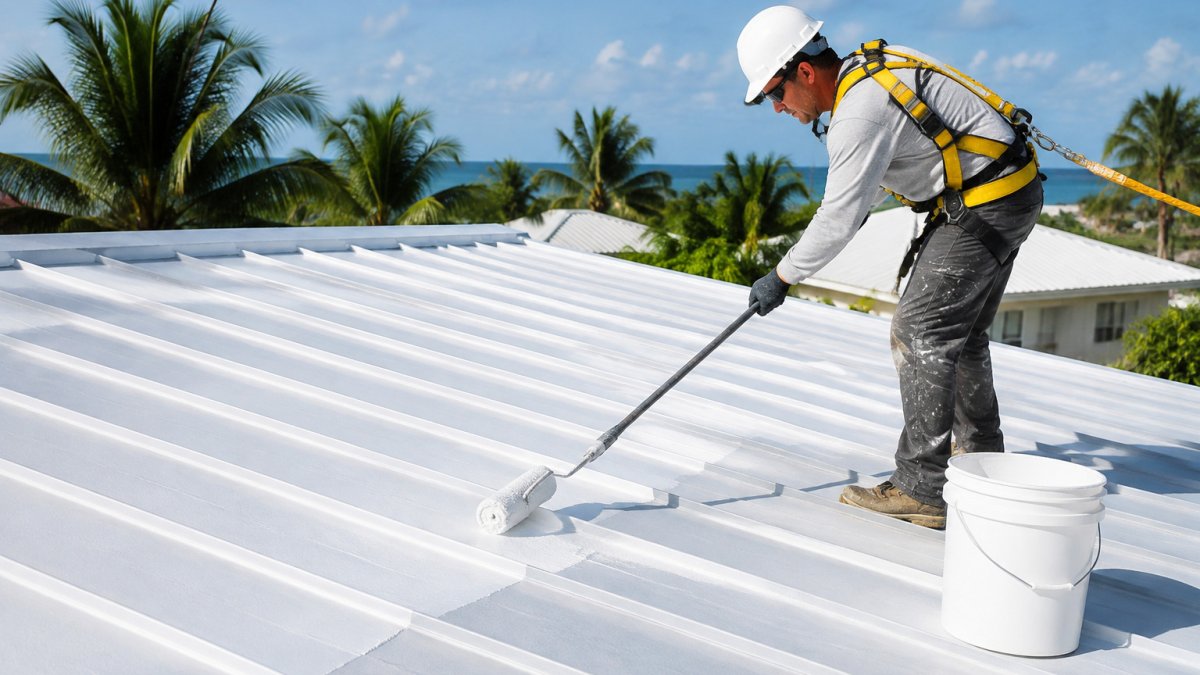
The best roof coating for metal roofs in Florida is usually a properly prepared silicone system, because its moisture-cure chemistry tolerates humidity, standing water, and wide temperature swings. Acrylic suits roofs that drain well and need reflectivity, while polyurethane serves as a base or tie coat over challenging finishes. Preparation and primer matter as much as the topcoat.
- Silicone is moisture-cure, so it tolerates damp substrates and standing water better than most alternatives.
- Silicone is typically applied at 15 to 25 mils dry-film, depending on the manufacturer's data sheet.
- Acrylic softens under prolonged ponding, so it suits roofs that drain well.
- Coastal roofs should be washed before coating to remove salt residue that blocks adhesion.
- Avoid pressure-washing coastal roofs at high pressure, since it can drive salt water into seams.
Table of Contents
- Why Florida Metal Roofs Need a Different Coating Strategy
- How to Stop Rust on Metal Roof Surfaces Before It Spreads
- Comparing Silicone, Acrylic, and Polyurethane Coatings for Metal Roofs
- Best Roof Sealer for a Metal Roof: Seams, Fasteners, and Flashing
- Metal Roof Coatings for Coastal Homes: Salt Air and Humidity
- Reflective Coating for Metal Roofs and Cooling Costs in Florida Heat
- Frequently Asked Questions
Why Florida Metal Roofs Need a Different Coating Strategy
Last Updated: November 4, 2026
Florida metal roofs take a beating that most roofs elsewhere never face. Heat, intense UV exposure, heavy rain, and humidity all work against the metal and the finish on top of it. The best roof coating for metal roofs in Florida depends on what the roof is actually up against.
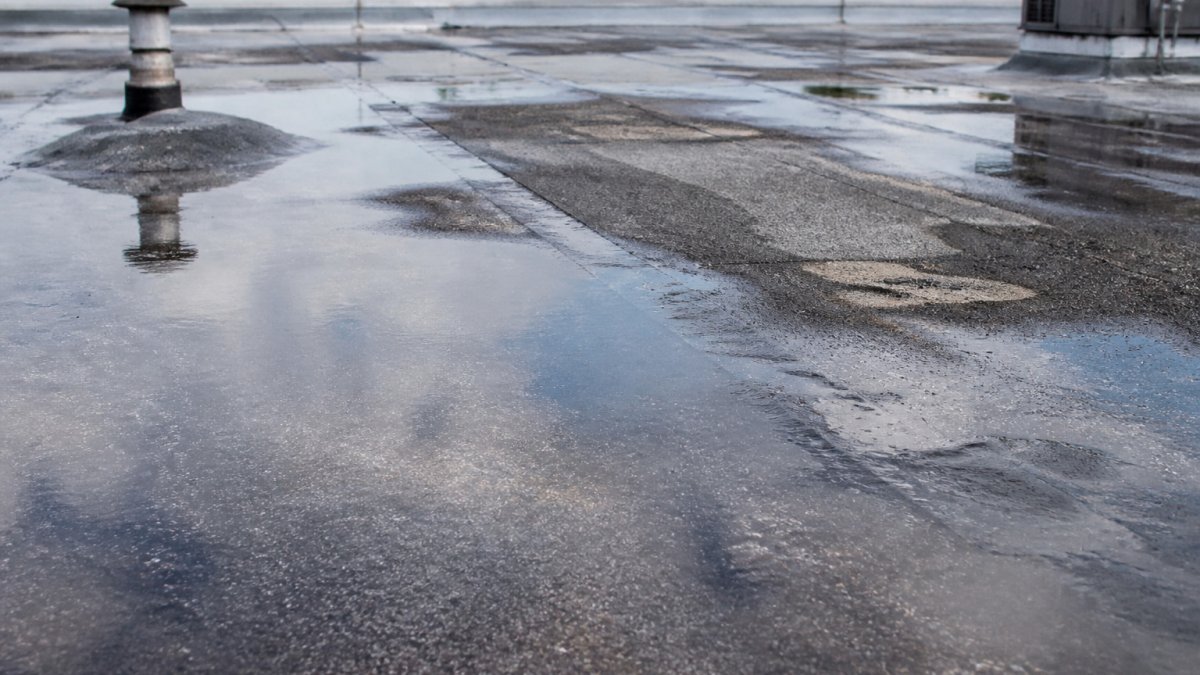
A coating that performs well in a dry, cool climate can fail quickly here. Ponding water, trapped moisture around seams, and repeated thermal expansion all stress the coating system. A common mistake is choosing a product based on price or brand familiarity alone, then discovering it cracked or peeled within a few seasons.
Florida's weather also makes timing important. Application windows are shaped by rain, humidity, and temperature, so the right product must cure reliably in conditions you actually get. Clean, dry surfaces matter just as much as the coating itself.
How to Stop Rust on Metal Roof Surfaces Before It Spreads
Surface rust is most effective to address early, before it spreads under the finish. To learn which warning signs mean your roof needs professional attention now, see five signs your roof needs attention now. Rust that has eaten through the metal generally calls for panel repair or replacement, not coating alone.
Start by inspecting seams, fasteners, and areas where water sits. These spots show rust first. Skipping the primer is one of the most common reasons coatings fail over rusted metal.
Watch out: coating over active rust without proper preparation traps moisture underneath, and the rust keeps spreading out of sight.
Comparing Silicone, Acrylic, and Polyurethane Coatings for Metal Roofs
Most coating comparisons stop at "silicone is good for water, acrylic is reflective." That is not enough to choose a system.
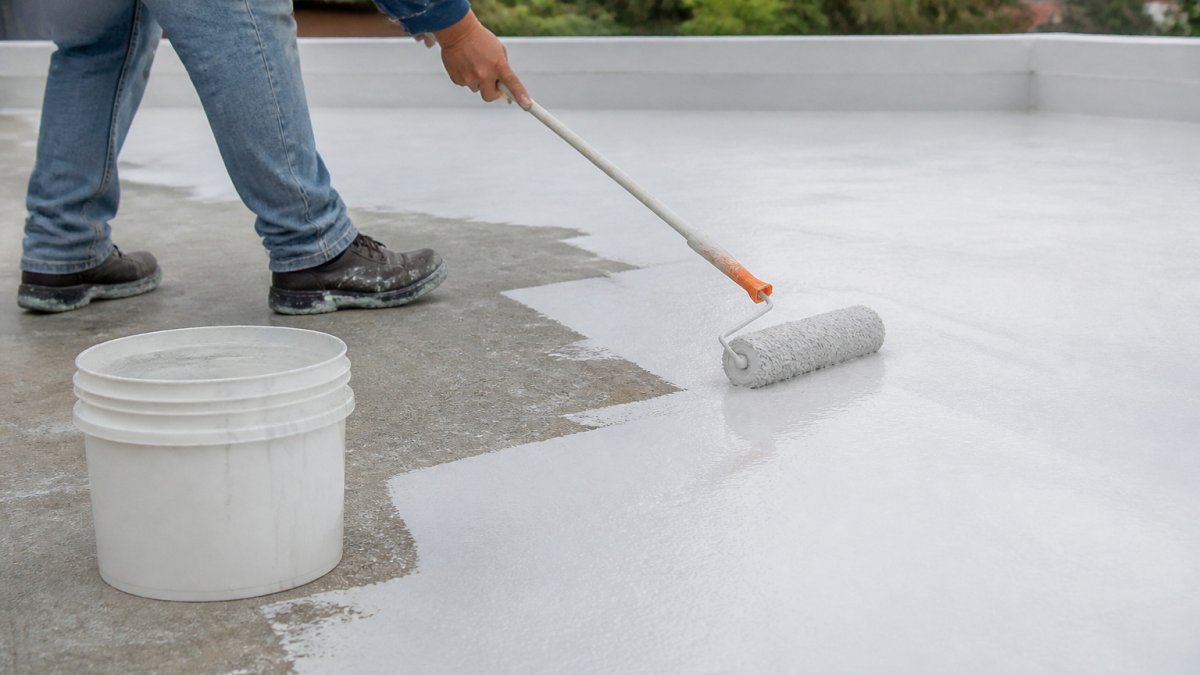
Silicone coatings are moisture-cure products, meaning they react with humidity in the air rather than drying by solvent evaporation.
Acrylic coatings are water-based elastomerics that cure by evaporation. They are easy to apply, low-odor, and generally the most reflective of the three families when formulated with cool-roof pigments.
Polyurethane coatings offer high adhesion and abrasion resistance and are often used as a base or tie coat over challenging substrates, including some aged metal finishes.
A practical decision sequence:
- Roof holds water or has ponding at seams and low spots? Silicone is the usual first choice because of its moisture tolerance and high film build.
- Roof drains well and cooling performance is the priority? Acrylic is often the better fit, provided the manufacturer's data sheet allows the exposure.
- Adhesion is the concern, or the existing finish is unknown? A polyurethane base or tie coat, applied per the system manufacturer's instructions, can improve bond before a topcoat.
- Roof has active rust or failed factory finish? No coating family fixes that alone; preparation and a rust-inhibitive primer come first, as covered in the rust section above.
Watch out: mixing chemistries across a roof, such as an acrylic topcoat over an unknown existing silicone, is one of the most common causes of adhesion failure.
For most metal roofs in fair condition, a properly prepared silicone system remains the default recommendation because it balances moisture resistance, flexibility, and film build.
The three coating families differ in how they cure, how thick they can be applied, and where they struggle, as summarised below. For the specific roof coating and painting services offered for metal roofs across Florida, see roof coating and painting services.
| Coating | Key difference | Watch out for |
|---|---|---|
| Silicone | Moisture-cure; tolerates damp substrates and standing water | Slippery when wet; chalks over time |
| Acrylic | Water-based, evaporation cure; most reflective of the three | Softens under prolonged ponding |
| Polyurethane | High adhesion and abrasion resistance; often a base or tie coat | Tighter prep and moisture control; less forgiving recoat |
| Silicone film build | 15 to 25 mils dry-film range | Depends on manufacturer data sheet |
| Acrylic film build | 10 to 15 mils dry | Less bridging over seams and fasteners |
Best Roof Sealer for a Metal Roof: Seams, Fasteners, and Flashing
Seams, fasteners, and flashing are where most leaks begin. A coating alone does not seal these areas. They need a dedicated sealer or sealant chosen for the job, such as butyl tape or an MS polymer sealant for joints and penetrations.
Seams, fasteners, and flashing should be addressed before the full coating is applied, since they are common leak points.
Metal Roof Coatings for Coastal Homes: Salt Air and Humidity
Salt exposure is the variable most coating guides ignore, and it is the one that most changes the specification.
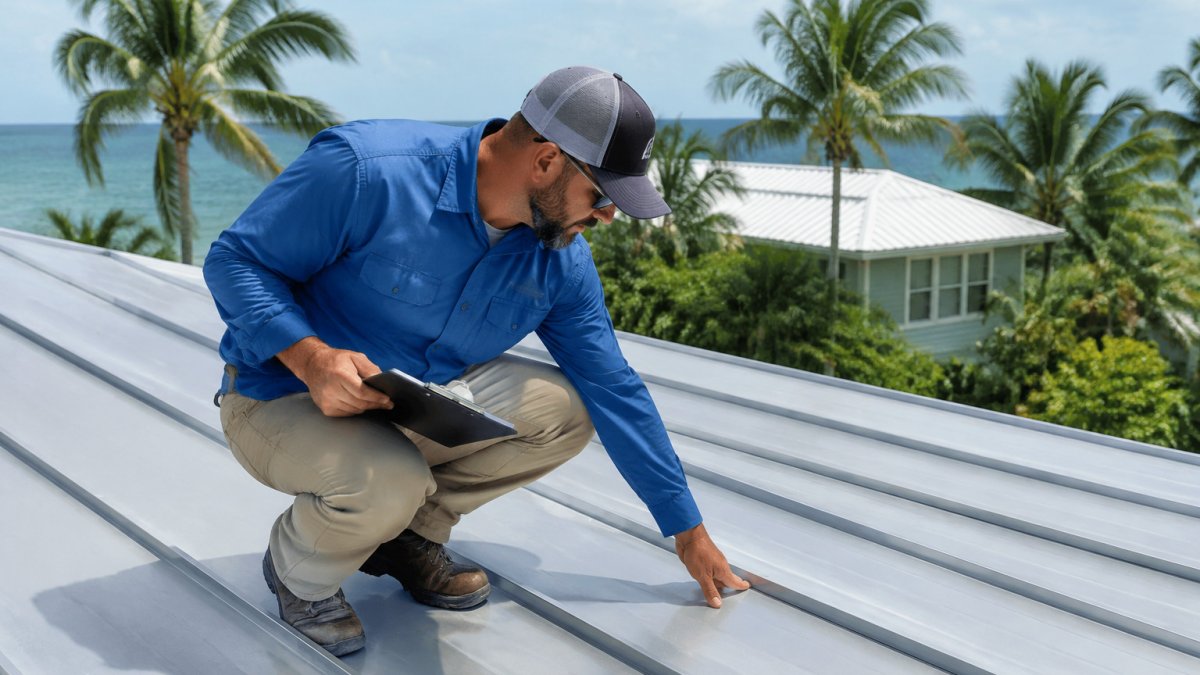
A practical way to think about exposure tiers:
- Inland, beyond the salt spray zone: standard preparation and a silicone or acrylic system per the manufacturer's data sheet is usually adequate. Inspect annually.
- Coastal, within roughly a mile of salt water: assume chloride deposition. Wash the roof before coating to remove salt residue, because salt left under a coating prevents adhesion. Specify a corrosion-inhibiting primer over bare or rusted metal, and confirm the topcoat is rated for coastal exposure. Inspect every six to twelve months, with fastener and edge checks each time.
- High-salt, such as directly on the water or in a wind-driven spray zone: expect more frequent recoating and more aggressive maintenance. Fasteners and cut edges deserve the most attention because they corrode first.
Primer choice matters more on the coast than anywhere else. A rust-inhibitive primer over prepared bare metal, applied per the manufacturer's dry-film thickness, gives the topcoat a stable base.
Maintenance intervals are not guesswork. A simple pattern many contractors follow is an annual wash and inspection inland, and a wash plus fastener and edge inspection every six months on the coast, with touch-up of any breached coating as soon as it is found.
Watch out: pressure-washing a coastal roof at high pressure can drive salt water into seams and lift coating edges. Use low pressure and let the coating do its job.
Coastal exposure is also where the difference between a product warranty and installed-system performance shows up. A manufacturer's warranty covers the product under stated conditions; it does not cover installation errors, skipped primer, or missed maintenance.
Reflective Coating for Metal Roofs and Cooling Costs in Florida Heat
Reflective coatings help a metal roof shed solar heat rather than absorb it. For a closer look at how reflective coatings push heat back into the sky instead of into your attic, read how reflective coatings cut cooling costs in Florida. Reflective coatings can lower roof surface temperatures, which may ease the load on an air conditioning system. The savings depend on the roof, the coating, and the building, so we avoid promising a specific figure.
If cooling costs are your priority, ask for reflectance data on the specific product and confirm it works on your metal system.
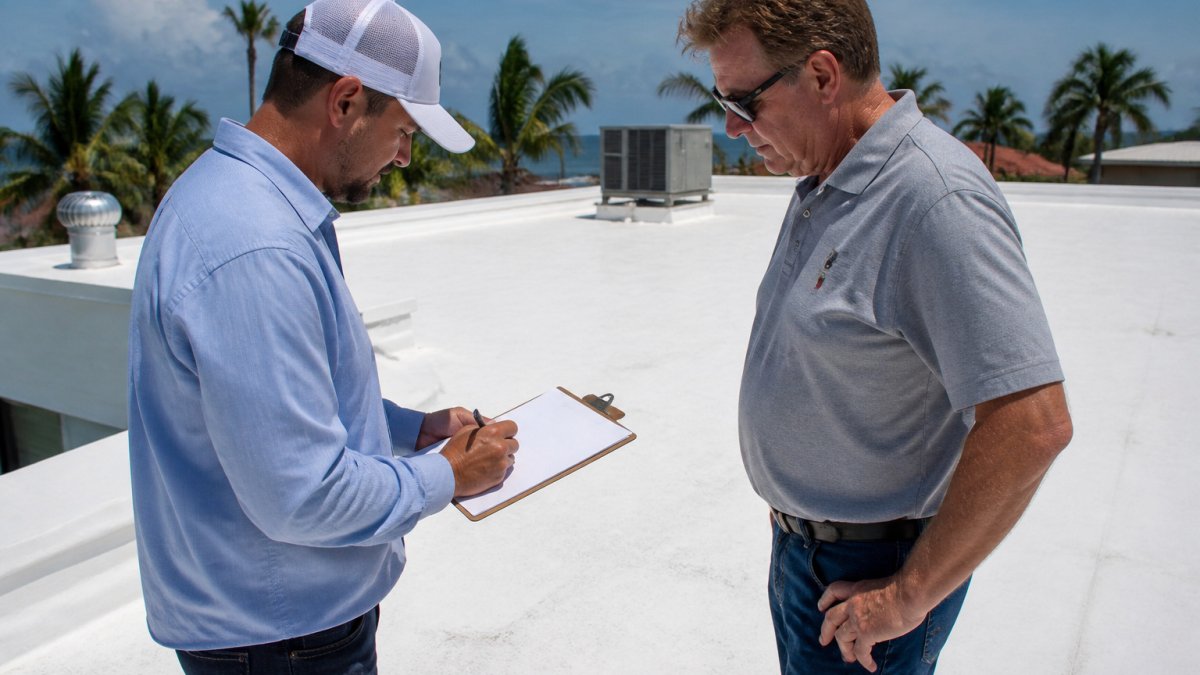
To discuss which coating suits your metal roof, contact Advanced Coating Services of Florida for a roof assessment.
Frequently Asked Questions
What is the best protective coating for metal roofs?
Silicone coatings are widely used on metal roofs because they stay flexible, bond well to properly prepared metal, and resist ponding water. Acrylic and elastomeric options cost less but often need more frequent recoating. Polyurethane and PVDF-based systems offer strong color retention and UV resistance. The best choice depends on the roof's condition, slope, exposure to salt air, and the warranty you need. Pricing varies with roof size and condition, so request a written quote from Advanced Coating Services of Florida for current figures.
Can you put roof coating on a metal roof?
Yes, a properly prepared metal roof can receive a roof coating, but preparation determines whether it lasts. The surface must be cleaned, rust must be removed, and an appropriate metal primer should be applied where needed. Loose fasteners and failed sealant at seams and flashing should be repaired first. Coating over an unprepared surface often leads to peeling, poor adhesion, and trapped moisture beneath the film. A site inspection helps confirm whether the roof is a good candidate.
How long does a coating last on a metal roof in Florida?
Service life depends on coating type, surface preparation, installation conditions, and exposure. Florida's heat, UV intensity, heavy rain, and coastal salt air all shorten coating life compared with milder climates. Many warranties are written for 10, 15, or 20 years, but actual performance depends on maintenance and inspection. Advanced Coating Services of Florida offers 10, 15, and 20 year warranty options, and the warranty terms for your specific project should be reviewed before work begins.
Is a reflective roof coating worth it for a metal roof?
A highly reflective coating can lower roof surface temperatures, which may reduce the cooling load on a building. Savings vary with insulation, HVAC efficiency, roof color, and local conditions, so there is no universal percentage to promise. Reflective coatings also help metal roofs resist UV degradation over time. For a cost comparison, ask for an assessment that considers your current cooling bills alongside the expected coating life and the cost of a full replacement.
Ready to protect your metal roof? Call Advanced Coating Services of Florida at 813-900-2375 to schedule an inspection and get a recommendation built around your roof's condition and location.